Hawker Rehabilitation
City Correspondent
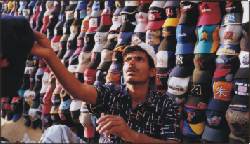
The sheer number of hawkers on the streets and footpaths certainly reflects the economic pulse of the city. The streets and footpaths of the city have become the source of business for more than one lakh hawkers many of whom have migrated from villages in search of work. The triennial convention of the Bangladesh Chinnamul Hawkers Association was held in Gulistan Mohanagar Natya Mancha on May 25, this year, to drum up support for rehabilitatation of street hawkers from the footpaths and streets. They demanded purpose-built hawker markets at different areas of the city and its outskirts. The speakers at the convention recognized the hawkers' contribution to the national economy, as they are self- employed and not creating any burden on society. The Minister for Environment and Forest, Sahjahan Siraj, made a firm commitment in his speech that he would leave his ministry if any hawker was evicted from the footpath or street without rehabilitation. The minister also promised that he would request the Prime Minister to implement the rehabilitation process of hawkers in their respective localities. "Ministers belonging to successive governments have said the same thing over and over again but so far none of the promises saw daylight,"said a hawker leader. Previously, the government acquired land and allocated markets to the hawkers but real hawkers were deliberately ignored. There are allegations that the allocation of the markets in the name of hawkers becomes a lucrative business for non-hawkers and hawker leaders. More than one lakh hawkers are selling goods to the city dwellers on the streets and footpaths of Motijheel, Newmarket, Gulistan, Shadarghat, Fakirapool, Karwan Bazar, Mirpur, Gabtoli, Mohakhali, Farmgate areas. The large number of hawkers of the thoroughfares is a lucrative source of income for the police and extortionists. Consequently, the streets and footpaths are the places where the hawkers are 'rehabilitated' instead of other places of the city. The economic condition in the rural areas drags more hawkers to the city everyday. The influx of hawkers on the city streets and footpaths will not stop until the economic pulse is beating at the same rate in both village and city.
|