Sensible thinking
S. M. A. Rashid, Mohammadpur, Dhaka
The initiative by the Bangladesh government is praiseworthy. The headcount of tigers (DS, July 29) in the Sundarbans (both Bangladesh and India) is a long-standing issue, which will be resolved if this decision is implemented. As the saying goes "together we can make it happen". Moreover, tiger is the national animal of both Bangladesh and India and is endangered in the wild.This decision also has a scientific justification. By characterising the tiger population, for example population structure, size distribution, and sex ratio will help us to gain some understanding on the ecology of this population. These primary data will give insights into the population composition, percentage of the population that is reproductive, and the recruitment rate. From management perspective, the population structure will help in assessing the viability of the tigers. It will assist in determining the feasibility of a tiger conservation plan and related social and economic development plans. The numbers of tigers in the Sundarbans has been 'static' as far as the government figures go, estimated between 350 and 450 for more than two decades. The question -- how may tigers are there in the Sundarbans has also been debated on several occasions in the national parliament and we, the citizens of Bangladesh, also want to know the answer. It is a pity that despite our limited resources to repay, several million dollars was taken as loans from multinational organisations for projects directed to collect basic biological resources information and develop management plans for the Sundarbans. But how much we have benefited is yet to be demonstrated. Many of us will be happy to at least hope that one of the important issues of the tiger headcount in the Sundarbans will be resolved. How long will it take to get the answers will depend on the goodwill and priorities of the two neighbouring countries. The headcount will allow us to examine where our national animal stands in terms of its struggle for existence. Let us not forget that extinction is forever, once we lose our national animal we also lose our national pride.
|
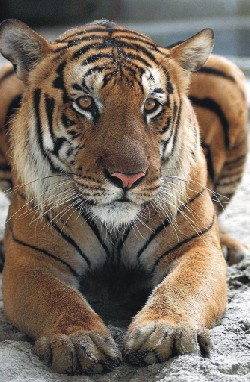
Counting Royal loss |

