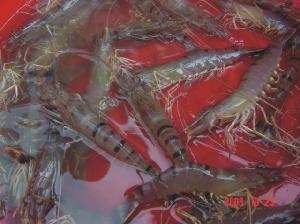
Shrimp sector awaits big boost
New environment-friendly cultivation method to raise yield by 5 to 7 times
Abdul Kader, back from Bagerhat
A newly introduced cultivation system will revolutionise shrimp production, increasing yield of the second largest export industry by five to seven times.The system is environment-friendly and produces virus-free shrimps. It is easier than the traditional system followed in the southwestern region of the country. Production per hectare in the new method is estimated at around 1.8 tons (18 hundred kgs), said experts of the Shrimp Seal of Quality (SSOQ), which is providing technical support to farmers. The assistance is being provided under the Agro-based Technology Development Programme (ATDP), a USAID-financed project. The new cultivation system, which is being widely followed by most of the shrimp exporting countries including Thailand, is important for Bangladesh as foreign buyers have imposed restriction on shrimp import from Bangladesh and are asking for virus-free good quality shrimp, said an expert of SSOQ. In the new system, shrimp is cultivated in blocked pond water. It ensures environment-friendly cultivation by saving trees and paddy fields in surrounding area and keeping fertility of land and other fish species intact, said the experts. The water of the pond has to be replaced after certain periods, which needs a reservoir. SSOQ experts are now providing technical support to farmers in greater Khulna region where 80 per cent of the country's shrimp is produced. "In the traditional system, I got only five kilograms of shrimp from about 3.5 acres of land last year because of virus-infection. But this year, using the new method, I am expecting 10 to 12 maunds from only .5 acres," said farmer Mina Afzal Hossain at Fatehpur in Bagerhat Sadar. He was talking to a group of reporters who visited the area on Saturday. Hailm Patwari, who received training in Thailand also expressed similar views regarding production. But he said the cost of shrimp feed in the new system is higher than in the traditional system because it is imported from Thailand. It costs Tk 75 per kg. It will be Tk 30 to 35 per kg if produced in the country, he said. Virus infection of shrimp is widespread in Bagerhat region, which discourages its cultivation. According to official data, Bangladesh now produces around 30,000 metric tons of shrimp annually in about one lakh ninety thousand hectares in the southwestern and southeastern coastal regions. This is 2.5 per cent of the global export. According to Export Promotion Bureau (EPB), Bangladesh earned 278.12 million dollars in 2002 by exporting 68.36 millions pounds of shrimp.
|