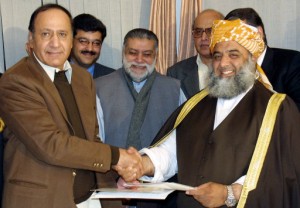
Musharraf to give up uniform by end of '04
Move to shed powers may smooth ties with Pak Islamists
Reuters, AFP, Islamabad
Pakistani President Pervez Musharraf agreed Wednesday to step down as Chief of Army Staff by the end of 2004, resolving a row with an opposition Islamic alliance that had virtually paralysed parliament. Musharraf called his decision "difficult." "I realise that it's time. I have decided that I will give up my uniform by December 2004 and will step down as Chief of Army Staff," he said on state television. Speaking in Urdu and wearing military dress, Musharraf added: "These are all historic decisions. Nobody has won or lost because of these decisions. Democracy has won and the victory is Pakistan's." Musharraf made the decision as part of a deal with the opposition Muttahida Majlis-e-Amal (MMA) -- an alliance of six Islamic opposition parties -- which have promised to abstain in a vote of confidence in the government expected early next year. The agreement is likely to see the general's term in office extended until 2007, although any weakening of his links to the military could undermine his position. Although he does not come away from the deal empty-handed, Musharraf's concessions could raise eyebrows in the West. A key ally in the US "war on terror," Musharraf has been hailed as instrumental to Pakistan's economic recovery and its crackdown on Islamic militancy, both domestic and international. The move answers a key demand by the Commonwealth for suspended Pakistan to be re-admitted. It comes after months of wrangling with the MMA religious bloc over constitutional changes giving the president sweeping powers. The package of amendments, called the Legal Framework Order (LFO), gave Musharraf the power to dissolve parliament and sack the prime minister. The religious coalition, which counts supporters of Afghanistan's ousted Taliban regime among its leaders, has virtually paralyzed parliamentary proceedings with stormy protests and organized popular rallies against the president. "It (the deal) will improve Pakistan's image abroad and give the world the impression that Pakistan is moving toward democracy," said Fazal-ur-Rehman, a prominent MMA leader. The political deadlock has embarrassed Musharraf, raising questions over his commitment to democracy. The general called elections in October 2002 to end military rule after his bloodless coup in 1999, but he has remained in ultimate control of the country while the government has run its day-to-day affairs. AFP adds: President Pervez Musharraf's decision to step down as armed forces chief next year and shed some powers could end a bitter row with Islamists and hasten Pakistan's return to the Commonwealth, politicians said yesterday. Musharraf announced Wednesday he would quit as military chief by December next year and seek a vote of confidence on his presidency, in order to end a bitter constitutional crisis in the country. "This is first time in the history of the country that a general is willing to relinquish his army uniform," said Mushahid Hussain, who was information minister in the government of deposed prime minister Nawaz Sharif. "This is one of the most significant political compromises in the history of the country," Hussain told AFP.
|