N Korea meets donors, turns down South's aid offer
AFP, Dandong
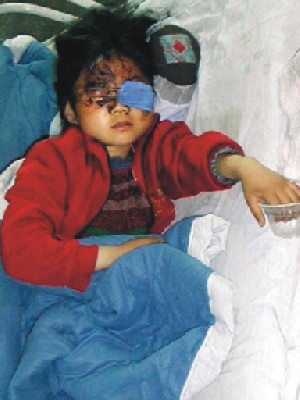
The North Korean government met with international aid groups to map out a response to a devastating train blast, even as it turned down an offer for early South Korean relief. With the attention of the global aid community fixed on Ryongchon, the city where the explosion killed at least 161 and injured many more, talks were taking place Monday in the capital Pyongyang on how to provide relief. "All the aid agencies are meeting this afternoon to talk about where we stand, about what more is needed and what they intend to do," Gerald Bourke, a World Food Programme spokesman, said by telephone from Pyongyang. WFP Asia regional director Tony Banbury was in meetings with the government all day, he added. While North Korea has cooperated in the aftermath of the tragedy, it signaled that it was not prepared to use it as an opportunity for a thaw with the South. In what appeared to be a setback for inter-Korean relations, North Korea turned down the offer that would have brought early relief to victims of Thursday's tragedy. "North Korea rejected our proposed overland transportation of emergency relief goods," said Moon Won-Il, spokesman for South Korea's National Red Cross. "The North's rejection was made during a border contact between liaison officials of Red Cross authorities from both sides. North Korea did not elaborate on the reason." Despite the North Korean gesture of defiance, it needed all the help it could get, said aid officials. More than 300 out of 1,300 injured taken to a hospital in Sinuiji visited by aid workers over the weekend had horrible wounds, caused either by burns or by debris and glass thrown towards them at great velocity. "Sixty or 70 are seriously injured," said Bourke, who visited the hospital near the blast site. "Between when they were taken there and when we arrived, seven died." The WFP's Banbury painted a grim picture of conditions at the hospital, calling it a "terrible sight." "Some people's faces had already turned black from the blast, others had black scabbing wounds, while some literally had their skin ripped off," he said. The large number of patients meant an urgent need for anaesthetics and antibiotics as well as specialized hospital equipment, according to the Red Cross. At the blast site, access to safe drinking water was a problem for thousands of families, after the explosion caused the water supply to be interrupted. Water-purification tablets had been provided from a Red Cross warehouse five kilometers away, but supplies were now running low there, and more were needed, Red Cross officials said. The Red Cross was preparing an appeal for help, which was expected to be sent out to the international aid community yesterday. "It won't be simply for immediate needs," said John Sparrow, a Beijing-based Red Cross representative. "It will also be for longer-term support." Thursday's explosion, which North Korea said was caused by a collision of rail wagons carrying ammonium nitrate fertiliser and fuel oil, destroyed virtually everything within 500 meters (yards) of the railway station. The Red Cross said Sunday it needed more information to help the blast victims, although the World Food Programme Monday said it was happy with the response it was getting from the government in Pyongyang. "The government has been full and frank in its attitude, very cooperative and cordial," said Bourke. Stalinist North Korea's secretive state media only acknowledged the disaster 48 hours after it happened but has since taken the unusual step of publicising the aid effort in newspapers and on television.
|