Conserve Bengal Tigers
Tishan Mahfuz On e-mail
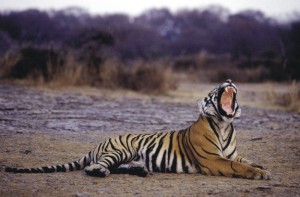
Although I began research work on the conservation of Bengal Tigers in the subcontinent as an academic project, the motivation soon became an urge. The glorious creature that stands as a national symbol for almost all nations in the subcontinent astounds me. In Bangladesh, for example, it is the national animal. However, I am surprised at the very few attempts being made by different organisations to inform the public of the imminent threat to not only our ecology, but also to our national pride. I have also seen in the websites of many organisations that there are no current and organised data of how many tigers are actually alive.I am aware that in the poverty stricken and overpopulated region, the conservation of any animal is not the primary concern of the people-- it will never be until poverty is eliminated. By the time that goal is achieved, if it ever is, it will be too late for us to reverse the damage we have caused to our ecosystem. The Royal Bengal Tiger's name will be inevitably written in the list, along with Dodo, as an extinct species caused by the ignorance of humans. The source of our national pride should not only come from the royal image of a tiger in logos, but also from the live majesty of these big cats. For this reason, I suggest the following: the threats to these tigers are not well known to many people, especially in nations like Myanmar and Nepal, and many regions of India and Bangladesh. Despite the governments' efforts, little can be achieved without the support and the will of the people. The larger organisations dedicated in the conservation of the tigers should let the people know about the threats, along with the options available for them to participate in the conservation efforts. Especially, options such as 'Adopt-a-pet' that are sponsored by many organisations should be mass publicised; it is easy and effortless. The public should also be informed that their money is being used for a just cause, and the rising number in the tiger population should support that information. This data dissemination should be more frequent: monthly or bimonthly. I know I will not want to put my money toward a cause if there are no results. The conservation effort should not be the effort of only a group, but the effort of the people. The effects of our deeds, unfortunately, do not end with us but continue through generations to come. If the tiger is lost, we have no one, or nothing else to blame but our own ignorance and lack of conscience. After the Tsunami disaster of December 2004, much of the efforts to restore destroyed areas and assist the people came from people around the world. I am not an idealist to believe that we will be able to gather the same amount of money for tiger conservation, however, with the help of the people, we will be able to do much more than what we can now. I am aware that there are numerous problems associated with these kinds of efforts. However, as human beings we should feel obligated to do some good.
|
|

