World Heritage
Ancient drama outlives repressive era
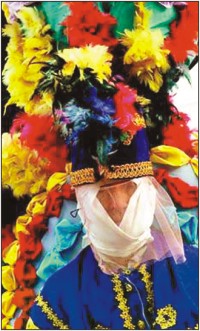
It outlived the Spanish conquest and a crushing civil war and it survived decades of repression by the Guatemala government of the Maya heartland. Now the oldest drama in the Americas has been declared a global masterpiece. The Rabinal Achi is performed annually at a January festival. Anthropologists say it has been staged since 1400 and tells the story of the clash of two Mayan kingdoms 500 years earlier. The main character in the drama is a Quiche warrior who invades the neighboring kingdom of Rabinal. After a battle, he is captured and sentenced to death but before the execution he is granted several wishes including a visit to his homeland, giving his word he will return. He does and is honorably killed by his captors. The whole two-hour drama is played out several times during the week-long festival in different sacred sites around Rabinal, the capital of the former kingdom and now a small country town some three hours from Guatemala City. The play, now sponsored by the government, was almost extinguished by army massacres and repression during Guatemala's 36-year civil war, when it was viewed as a possibly subversive focus of organising by the indigenous community. "We were treated like witches," said the play's current director, 69-year-old Jose Leon Coloch, who oversees everything from the colourful velvet costumes and masks to other details of the staging, a role passed from father to son. Since the war ended in 1996, the drama has made a comeback, culminating in a successful, government-backed bid for its recognition by UNESCO. The latest performance is the first since UNESCO named the play a Masterpiece of the Oral and Intangible Heritage of Humanity at the end of 2005. The award carries no direct financial benefit, but the government and the play's custodians hope it will attract donors to fund performances overseas. Guatemala's cash-strapped Ministry of Culture now subsidises the production with about 4,000 US dollars annually and pays Coloch a salary of about $400 a month. "We are doing what we can and we hope that other, international entities start to do the same," said Deputy Culture Minister Enrique Matheu. Source: Reuters
|