Have a Nice Day
Cholesterol: Talk of the time
Dr Rubaiul Murshed
All health information to keep you up to date
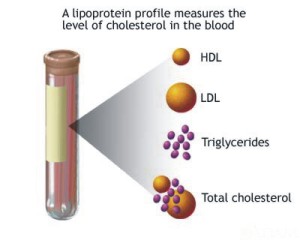
A considerable amount of attention has paid in recent times on 'cholesterol' from public and physicians.High cholesterol levels are associated with an increased risk of heart diseases. The two main fats in the blood are cholesterol and triglycerides (TGL). They are taken through diet, but what is not widely appreciated is -- cholesterol is also made naturally in almost every tissue of the body. A healthy body is normally capable of balancing the amount of cholesterol consumed. High cholesterol may be due to genetic defect in body’s ability to extract cholesterol from the blood or an oversupply of dietary fat and cholesterol. Cholesterol is important in bile formation, steroid hormone production, vitamin D synthesis and in cell membrane structure. So cholesterol is not always bad for everyone especially in early ages. It is essential for most people to have the following basic investigations if illness is suspect related to chest or heart. These are -- a) Pulse / blood pressure/checking neck veins etc. b) Blood tests: Fasting blood sugar (FBS) including lipid profile, urea and electrolytes. It is better to test the blood in empty stomach. c) Chest X-ray d) ECG, echo-cardiogram f) Further investigations in some cases, if needed. There are many more unrecognised people around us with much higher risk of heart disease. Heart disease in our country has increased due to generally unhealthy lifestyle (like stress, diet, obesity etc.) and five other risk factors like smoking, high blood pressure, high cholesterol levels, uncontrolled diabetes and family history. Nevertheless there is an close relationship between smoking and cholesterol. Smoking seems to promote the deposition of cholesterol, make the blood stickier and lowers level of substances in the blood which help defend arteries from clogging. 5 tips for those with high cholesterol
1. Take reasonable physical exercise including walking; if possible swimming or some other sensible sporting activity. 2. Reduce the amount of beef, mutton and other animal fats. Trim down full-cream milk and dairy products and cut back on sugar (No 'Mishtis' until the LDL comes down to '100') as much as possible. As well as stop eating brain, liver and kidney of different animal. Reduce salt intake -- both table and cooking. Take green, leafy vegetables and apples and oranges everyday. Garlic and onion are also not bad. 3. Stress and worry will ultimately affect the heart. Try to overcome this by yourself as much as possible, as at the end of the day you will have to value your heart most. 4. Modifying the diet is a good way to lower cholesterol level; research studies suggest that it can lead to a reduction in cholesterol level by 10-15 percent. Many individuals may need cholesterol lowering medicines. Consult a physician (preferably a cardiologist) regarding cholesterol lowering drugs. 5. One reading of high cholesterol is not enough to act on. Lipid profile test could be repeated.
|