Music Review
Habib's latest album 'Shono'
Karim Waheed
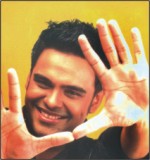
Habib Wahid, better known as Habib, has established himself as one of the most successful musicians in the current music scene. With his first album Krishno, the talented musician gave the audience a taste of what he's about. With the second album Maya Habib's popularity soared. With his third album Moina Go, the musician changed track from his claim-to-fame folk-fusion to remakes of classic adhunik songs as well as composing original tunes. Habib also made his debut as a vocal artiste through Moina Go. Habib's latest album Shono, released on the occasion of Eid, is a continuation of his venture into adhunik (mainly pop) songs. The album features nine songs -- all composed and rendered by him (except for one). The first song Swapner cheyeo modhur is a quintessential melancholy sap-fest with insipid description of a dream. Not a brilliant start and that sort of sets the mood for the whole album. The second song Jaadu is not redeeming either. It sounds more like a jingle for a TV commercial than an actual song. A music connoisseur's reaction to the third and fourth song - Mon munia and Elomelo mon -- could best be described with "so what?" Not snubbing Habib's musical skills but because the composer has set a certain standard with his previous albums, the audience expects better from him. Habib, who is often compared to A R Rahman, did for contemporary Bangla music what the latter had done for Indian film music -- bringing in a fresh new sound. Interestingly enough, Habib seems to have stumbled upon the same block Rahman faced post Dilse and Taal -- a phase where a musical talent cannot seem to go beyond his previous achievements and tends to fall back on mediocrity and repetition. For instance the fifth song of the album Projapoti reminds one of Raat nirghum from Habib's previous album Moina Go. Calendar-er pata, is one of two songs in the album that really stand out. The song exudes a 70's disco feel and Habib aptly brings in his father Ferdous Wahid, one of the trailblazers of Bangla pop music in the '70s and '80s, to render the song. Uncomplicated expressions and shallow words don't hinder the song from becoming a foot tapping number. The last and perhaps the best composition in the album is Ekhoni nambey brishti. Upcoming santoor player Shantanu gets an opportunity to show off his skills and he does not disappoint. Ekram Hossain's esraaj is an added treat. Stripped off all techno vocal effects, Habib proves he can actually sing. The album will perhaps enjoy good sales; most listeners will want to check out Habib's new album, regardless of its overall mediocrity.
|