Diabetic foot care
Dr Turin Chowdhury
Diabetes is the disease related to problem in glucose metabolism. Glucose provides us energy for our bodily activities. Glucose is transported to the cells of our body from blood to be used as a source of energy. To facilitate this transport, insulin hormone is needed. In case of diabetes, (predominantly diabetes mellitus), individuals lack from insulin due to insufficient production or difficulties in utilisation. In fact, diabetes affects various organs of the body as a result of its complications. Diabetic foot is one of the common complications of diabetes. Effect of diabetes on foot
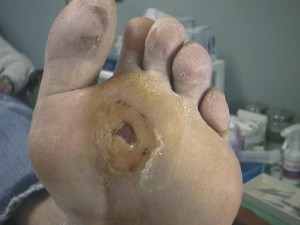
Diabetes raises the blood sugar level. Over time, high blood sugar can damage the blood vessels and nerves in our body. The damage in the blood vessels is more prominent in the peripheral blood vessels, such as blood vessels of our foot. Damage to the blood vessels in the feet will deprive the supply of blood. On the other hand, damage to the nerves reduce the feeling in the part affected. This is called diabetic neuropathy. This, in turn, may make us less able to sense injury or pressure on our foot. One may not notice foot injury until severe infection develops, because s/he will not feel any pain due to the injury, thus will be unaware of it. If little injuries are left without care, they may get worse and turn into ulcers. If these ulcers become infected, the person may become hospitalised or in very serious cases, patients may have their feet amputated. Risk factors
If one has diabetes, then the person is at higher risk of developing foot problems. The risk factors associated with this are: - Diabetes for long time, such as for 10-12 years
- Age more than 45-50 years
- Male in gender
- Poor glucose control
- Eye, kidney or heart problems due to diabetic related complications
How to avoid the problems
Major diabetic foot problems can be prevented with just a little effort of few minutes of daily foot care. The following steps can help - Good control of the blood sugar level
- Wash feet every day with lukewarm water and mild soap
- After washing feet or having bathed, dry feet well
- Use soft towels and gently clean feet; do not rub hard
- It is good to apply any cream or lotion, especially on the heels to keep the skin of feet smooth
- If the skin is cracked, then discuss with a doctor (preferably diabetologist) about treating it
- Make a habit of checking feet thoroughly every day. Consult doctor at the very beginning if you find any redness, swelling, pain that do not leave or numbness or tingling in any part of foot
- Treat calluses, corns or bunions with consulting doctor first
- Be careful during cutting the toe nails
- Do not expose the feet in too hot or too cold
- Do not go out side or uneven surfaces barefooted
- Never wear shoes without socks
- Avoid wearing sandals or other open-toed shoes
- Avoid high-heeled shoes, shoes with pointed toes, uncomfortable tight shoes that might compress the toes and cause cuts or blisters
- Never wear too tight socks, nylon socks, socks with elastic band with inside seams. Wear well-padded cotton socks or stockings
- Loosen the new shoes slowly by wearing them for short period a day for several days
- Change socks and shoes every day. Have at least 2 pairs of shoes, so that you can switch pairs every other day
- Look inside your shoes every day for things like gravel or torn linings. These things could rub against your feet and cause blisters or sores.
Visiting a doctor
Diabetic patients’ feet, especially for the ones with long time diabetes, should be periodically checked by a physician. On the other hand a diabetic patient having any problems, such as loss of feeling, sores or ingrown toenails, must inform the physician immediately. The writer is working at Health Science Department of Shiga University of Medical Science, Shiga, Japan. [E-mail: dr.turin@gmail.com]
|
|

