Zinc in childhood diarrhoea management
Nazratun Nayeem Monalisa
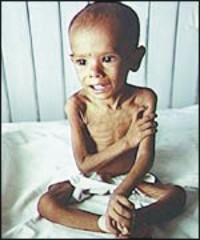
A significant proportion of population of our country do not have access to enough food to meet their recommended daily allowance (RDA) of energy (calories) and micronutrients (minerals and vitamins) to maintain their health.This specially occurs in case of young children. In addition, these children are exposed to high levels of environmental pollution and poor sanitation. As a result, diarrhoea commonly occurs in children. Diarrhoea is therefore a leading cause of child mortality and morbidity in our country. During a diarrhoeal illness children may lose great amount of fluid in a short period of time. For this reason, rehydration with ORS (Oral Rehydration Saline) is the primary treatment. Recently, research regarding necessity of zinc in diarrhoea has been carried out at ICDDR,B reveals that zinc should be added to the treatment of childhood diarrhoea, whether watery, mucousal or bloody. ORS replaces the fluid lost from the body and zinc speeds up recovery. So when children from 6 months to 5 years suffer from diarrhoea, they should be treated with ORS and zinc in combination. Zinc is a micronutrient found in foods rich in protein such as red meat, poultry, nuts, milk and other dairy products. Zinc is essential for human growth and it strengthens the immune system, thus providing protection against illness and diseases. Although zinc is available in food but a large fraction of population living in urban slums and rural areas in Bangladesh, do not have access to sufficient amounts of zinc-rich foods. This results in zinc deficiency that can lead to growth failure and increased susceptibility of illness and death, especially among young children. ORS should be given only while the diarrhoea continues. However, zinc should be given once daily for 10 consecutive days. When the child is cured from the diarrhoea, then ORS can be stopped but administering zinc should continue for 10 days. It was found that a full course, that is 10 days, provides the child protection against further episodes of diarrhoea over the next 3 months. It is estimated that zinc treatment can save almost 50,000 lives of under-five children every year in Bangladesh. It should be noted that the Bangladesh government has adopted zinc treatment in childhood diarrhoea in accordance with the WHO/UNICEF joint recommendations. The recommended daily dose of zinc for children aged 6 months to 5 years is 20 mg per day for 10 consecutive days. Presently, zinc dispersible tablets are available in local markets, each containing 20 mg zinc sulfate. Similar to ORS, Zinc dispersible tablet does not require a doctor’s prescription and can be purchased over the counter in most drug shops. The dispersible tablets dissolve within half a minute in a teaspoon full of water. This has been endorsed by the Bangladesh Pediatric Association and was approved by the Bangladesh Drug Administration. If the diarrhea is severe the child should be taken to a hospital or to a qualified physician. The writer is Information Manager of SUZY Project, ICDDR,B.
|