All Time Greats
Basu Chatterji: Turning seemingly ordinary into extraordinary
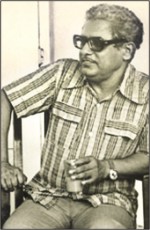
Basu Chatterji, the doyen of Indian cinema, is known for making films that offer a taste of clean and wholesome fun. Instead of the usual hefty doses of violence, sex and superficial stories, his repertoire gives the viewer realistic art films such as Piya Ka Ghar (1971), Chhoti Si Baat (1975) and Chitchor (1976). Zeroing into such memorable films, Piya Ka Ghar, is a humorous and charming story of the marital tribulations that a newly wed couple undergo in a one-room tenement in the setting of a Bombay-based joint family. Likewise the amusing Chhoti Si Baat relates the nostalgic tale of the young, urbane '70s Bombay.Beginning with his first feature film, Sara Akash (1970), Chatterji has gone from strength to strength. A cinematic attempt to depict the everyday middle class milieu, this film was the successful precursor of Rajnigandha, Chitchor, Chhoti Si Baat, Khatta Meetha, Swami, Shaukeen and many others. Chatterji's foray into television serials was marked by soap operas such as Rajni, Darpan, Kakkaji Kahin and Byomkesh Bakshi. He embarked on the sphere of Bengali cinema with Hothat Brishti (1998). Other Bengali films by him are Tak Jhaal Mishti and Chupi Chupi. In his hat as writer, Chatterji has films such as Gudgudee and Chameli Ki Shaadi, while he has produced Zevar (1987) and Baton Baton Mein (1979). Currently under production is the tentatively titled social comedy Ek Ladki Bholi Bhali Si which marks Chatterji's return to the directorial style which made him famous in the 1980s. The film is to feature Bipasha Basu in a major role. Born on January 10, 1930 in Ajmer, Rajasthan, Chatterji was a long time political cartoonist of the popular Blitz tabloid. His entry into filmdom was through the film society movement. During his seven years as an active member of the film society 'Film Forum', he gained exposure to films from countries including France, Italy, Sweden and Japan -- a marked departure from his counterparts whose horizons never went beyond Hollywood. He also occupied the position of the secretary of the federation of film societies of India (more specifically the western region) for a considerable stretch of time. The evergreen Chatterji seems likely to continue regaling film audiences with his distinctive and sensitive cinematic works. Compiled by Cultural Correspondent
|
|

