Inside
|
SCIENCE FORUM Thou shalt not pollute the earth Rashida Ahmad reports on a new Vatican list of 'modern-day sins’ We live in modern times, and we sin in modern ways, according to the Vatican which updated the well-worn seven deadly sins in March by adding seven new sins for what it calls an age of "unstoppable globalisation."
Just so that there would be no confusion, the Catholic Church helpfully clarified that "immediately after death the souls of those who die in a state of mortal sin descend into hell." So, could "thou shalt not pollute the earth" and "thou shalt not clone" be added one day to the age-old Ten Commandments? Bishop Gianfranco Girotti, the Vatican's number two after the Pope, spoke on the thorny subject of transgression and modern evils, and gave the rundown of new mortal sins in a newspaper interview after a week-long training seminar in Rome for priests. "You offend God not only by stealing, blaspheming or coveting your neighbour's wife, but also by ruining the environment, carrying out morally debatable scientific experiments, or allowing genetic manipulations which alter DNA or compromise embryos," he said. The new list of sins, published on March 9 in the Vatican's newspaper <>L'Osservatore Romano<>, came as the Pope increasingly laments the "decreasing sense of sin" in today's "securalised world.” The Catholic Church divides sins into venial (or lesser) sins and mortal sins. The latter threaten the soul with eternal damnation unless absolved before death through confession and penitence. It holds mortal sins to be "grave violations of the Ten Commandments and the Beatitudes," including murder, contraception, abortion, perjury, adultery, and lust. Although there is no absolute list of mortal sins, many Christians accept the seven deadly sins or capital vices laid down in the 6th Century by Pope Gregory the Great: lust, gluttony, avarice, sloth, anger, envy, and pride. Asked what he believed were today's "new sins," Girotti told the Vatican newspaper that the greatest danger for the modern soul was to be found in the uncharted territory of bio-ethics. “[T]here are areas where we absolutely must denounce some violations of the fundamental rights of human nature through experiments and genetic manipulation whose outcome is difficult to predict and control," he said. The Vatican denounces stem cell research that involves use of embryos, and has warned against the prospect of human cloning. The bishop -- in the interview headlined "New Forms of Social Sin" -- also said "ecological" offences were modern evils.
Under both Benedict and predecessor John Paul, the Vatican has become progressively "green." Girotti -- who heads the Apostolic Penitentiary, the Vatican body which oversees confessions and grants absolution -- also mentioned drugs, which weaken the mind and obscure intelligence, as well as the widening social and economic differences between the rich and the poor that "cause an unbearable social injustice." He said that priests must take account of "new sins which have appeared on the horizon of humanity as a corollary of the unstoppable process of globalisation." Whereas sin in the past was thought of as a matter of invididual conscience, it now had "social resonance," said the bishop. Rashida Ahmed is Forum contributor . Jealous? Grow up The cat's whiskers -- on a bird Six degrees of messaging |
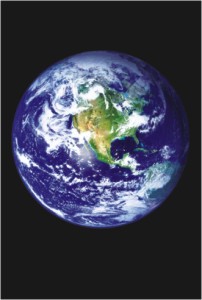 Those with hell and damnation in store for them these days include polluters, drug pushers, the obscenely rich (nothing new there!), and scientists who manipulate human genes.
  In recent months, Pope Benedict has made several strong pleas to world leaders for the protection of the environment, saying issues of pollution and climate change were gravely important for the entire human race.